
There was a moment during my wedding negotiations when I realised I was not so much planning a marriage as facilitating a merger. Everyone had a stake. Everyone had minutes from a meeting I had apparently missed.
A Dinka marriage can be an extraordinary expression of communal care. It can also make two people wonder whether they are the couple or merely the project managers. Between those two truths sat cows, ceremonies, phone calls across continents and a spreadsheet no bride imagines when she first says yes.
What do we inherit—and what do we choose?
This is not the definitive account of a Dinka wedding. It is my version: the view from the daughter whose family arrived with love, memory, expectation and an impressive capacity for arithmetic.
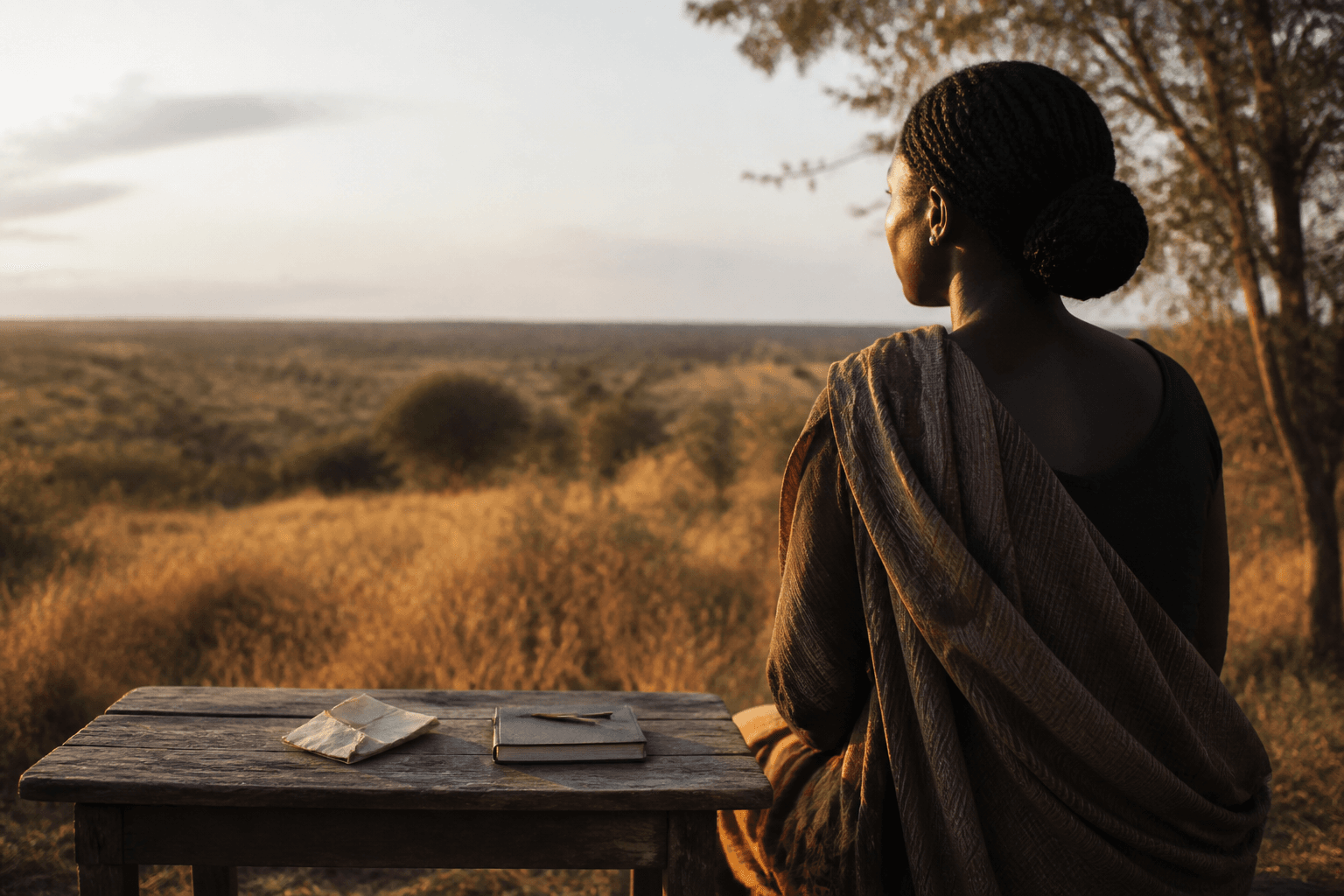
The question that stayed with me was not whether family should participate. Of course they should. It was when participation becomes ownership, and whether a daughter can honour the village that raised her without handing the village the pen.